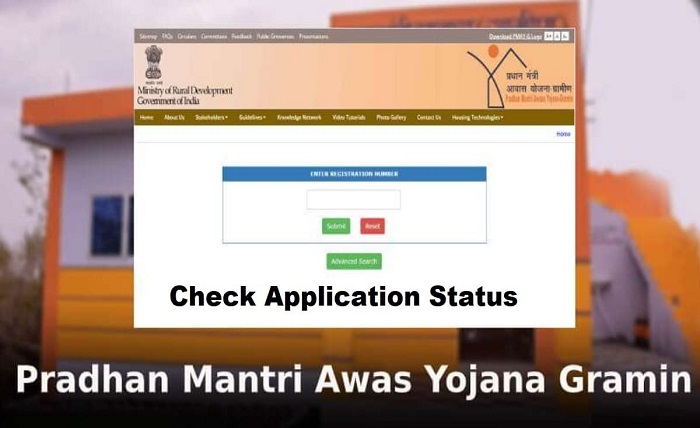
Accessing housing scheme information online can be stressful if users are unsure of the information they are looking for or what each status means. The Pradhan Mantri Awas Yojana Gramin process involves the selection of beneficiaries, verification, sanction, update of installments and construction progress. This is one of the reasons it is important to check PMAY-G beneficiary status online more than a mere name search. This careful strategy can be applied to numerous digital services, including public-facing portals and those that make bold claims online, like aviator game prediction. In all cases users must be aware of what is being displayed on the platform, what cannot be guaranteed, and what must be verified.
Records of rural houses, installment details, beneficiary information and tracking progress of PMAY-G is done through the PMAY-G portal and its services AwaasSoft. There are other stages in the PMAY-G process that are described in publicly available guides, including Verification, Sanction, Installment release, Geo-tagging, and Completion tracking. This helps to alleviate confusion, particularly when families are waiting for updates from the panchayat, block office or the official online system. It also sets up a handy digital mindset: always verify the source of information, always read the status correctly, and don’t believe anything on the web without context.
What PMAY-G Beneficiary Status Actually Tells You
PMAY-G beneficiary status is not just a yes-or-no result. It can show whether the applicant has been identified, whether the record has moved through verification, whether the house has been sanctioned, and whether any payment installment has been processed.
Most of the time, people only check the beneficiary list for their own names. It is helpful but it doesn’t reveal the full story. Someone might be listed in one register but still have to get their documents verified, sanctioned, payment approved or be updated about their house construction. Therefore, the status page must be read very thoroughly.
The record may include personal details, registration information, family details, sanction status, payment stage, and physical progress. In some cases, users may also see information linked to order sheets, fund transfer orders, or construction photos. These details help show whether the application is active, pending, delayed, or already moving through the next stage.
Keep the Right Details Ready Before Searching
Much of the confusion happens even before the actual searching happens. A user could type the wrong registration number, pick the wrong district, or use a different spelling of a name compared to the official record. Minor differences may result in a search failure even when a beneficiary record is there.
Before checking the status, keep these details ready
- PMAY-G registration number, if available.
- State, district, block, and panchayat.
- Beneficiary name as recorded in official documents.
- Father’s or husband’s name, if required.
- Aadhaar or family information, only where the portal asks for it.
- Bank or sanction-related reference details, if already provided by local officials.
The registration number is usually the fastest way to find a record. If it is not available, the user may need to search through location-based details or contact the gram panchayat, panchayat secretary, or block office for help.
How to Check the Status Without Getting Lost
The PMAY-G status check usually starts with the official AwaasSoft or PMAY-G portal. Users can look for the beneficiary search section, enter the registration number, and submit the form. Some guides describe the route as Stakeholders, then IAY or PMAYG Beneficiary, followed by the registration number search.
After submission, the screen may show the beneficiary record and related status details. The user should not rush through the page. Each line can have practical meaning. A sanction date, installment entry, or construction progress update may answer a different question.
Why Installment Status Can Be Confusing
Many applicants expect payment status to move as soon as their name appears in the beneficiary list. In practice, selection, sanction, construction verification, and installment release are separate stages. A name in the list does not automatically mean that money has already been sent.
Installment status may depend on several conditions:
- Verification of beneficiary details.
- Sanction approval.
- Correct bank or post office account details.
- Construction stage updates.
- Geo-tagged progress where required.
- Administrative processing at local or system level.
A delay in one step can affect the next step. For example, incorrect bank details may slow payment movement. Missing construction progress updates may affect the next installment. A record may also take time to reflect online after local processing.
This is why users should avoid relying on one screen alone. Beneficiary details, installment details, and physical progress should be checked together when available.
Common Mistakes That Make Status Checks Harder
Several avoidable mistakes make the process feel more complicated than it is. The most common one is entering names casually instead of matching the official spelling. Another common issue is choosing the wrong block or panchayat, especially in areas where names sound similar.
Some users also confuse registration number with other numbers from local documents. Others check an unofficial page first and then assume that its result is final. Online information is useful, but the safest approach is to compare it with official records or guidance from the local panchayat or block office.
Payment confusion is also common. A user may see sanction information and assume payment has already been released. Another may see installment movement and assume the full benefit has been completed. Each stage should be read separately.
A Clearer Way to Follow PMAY-G Progress
A calm tracking routine makes the process easier. The user should save the registration number, keep copies of application-related documents, note the correct state and panchayat details, and take screenshots of major status updates. When the record does not match known details, the issue should be checked with local officials instead of guessing.
PMAY-G status checking becomes easier when users know what they are looking at. The beneficiary list shows one part of the journey. Sanction details, installment status, and progress updates show the next parts. Reading them together gives a clearer view of the application.
A good status check is careful, patient, and detail-based. It helps families avoid wrong assumptions, understand delays better, and follow the rural housing process with less confusion.